
Slab Leak Repair in Athens, GA
A warm spot on the floor, water coming up at the edge of a slab near the garage, or a water bill that won't explain itself: these are the real, recurring signs of a slab leak in Athens homes.
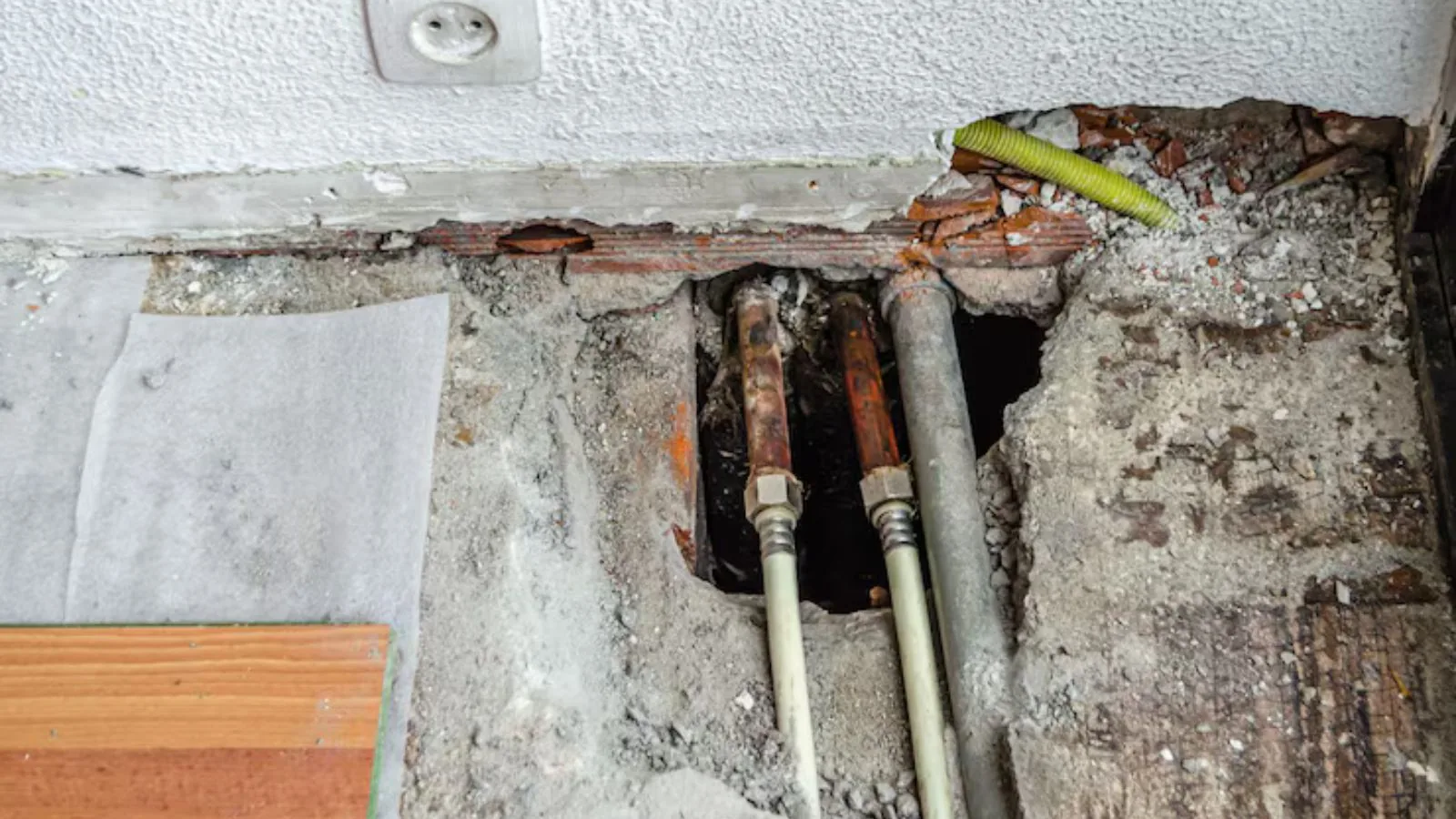
Warm spots, rising water bills, and no visible source
Slab leak isn't the term most people use when they call. It's usually described as a warm patch on the floor, water at the edge of the concrete near the garage or foundation, or a bill that's climbed without any change in usage. Those are the exact symptoms of a slab leak, a pressurized water line running under the concrete foundation that has cracked or corroded.
Why slab leaks are common in Athens specifically
Athens' red clay soil expands when it's wet and contracts when it dries, and that seasonal movement is a direct, mechanical stress on any pipe embedded in or under a concrete slab. Homes built on slab foundations from the 1960s through the 1980s, common in several of Athens' in-town neighborhoods, are the ones we see most often, since the copper supply lines from that era are also now old enough to be more vulnerable to that stress. This isn't a random failure pattern, it's a predictable one tied to the same clay that's shaped this region's ground for two centuries.
Signs you need slab leak repair
- A warm patch on the floor with no heating element nearby
- The sound of running water when every fixture is off
- Cracks appearing in flooring or baseboards near the slab edge
- Mold or mildew smell rising from the floor
What to do right now
- Shut off the main water valve if the leak location isn't confirmed yet and it's safe to do so
- Avoid running additional water into the affected area while waiting for diagnosis
- Photograph any visible warping, cracking, or moisture for insurance purposes
- Don't attempt to cut into the slab yourself before the leak is precisely located
How we diagnose and fix it
We locate the leak precisely with acoustic and thermal equipment before recommending a repair path, since guessing at a slab location means unnecessary concrete cutting. Once confirmed, the repair is either a direct spot repair through the slab or a reroute that runs a new line through the attic or an accessible wall cavity, bypassing the slab entirely.
A single, isolated slab leak in an otherwise sound copper system usually makes sense as a spot repair. If the same house has had more than one slab leak, or the copper is showing broader pitting, a full reroute is often the more honest long-term recommendation, even though it costs more upfront, because it stops the next leak before it happens.
A slab leak repair that exposes plumbing under a permitted structure typically requires a permit and inspection under Georgia's plumbing code (the International Plumbing Code, or IPC, with state amendments) before the concrete is closed back up; we handle that paperwork as part of the job.
Avoiding the next call
Homes built directly on a slab in Athens' older neighborhoods are the ones we'd flag for a proactive leak-detection check every few years, specifically because the red clay soil's seasonal movement is a known, ongoing stress on embedded pipe, not a one-time risk. Catching a slab leak from a water-bill anomaly is always cheaper than catching it from visible flooring damage.
What affects the cost
- Spot repair through the slab versus a full reroute around it
- Depth and accessibility of the leak location
- Flooring type over the slab (tile, hardwood, carpet) and whether it needs to be cut and restored
- Whether prior slab leaks point to a broader repipe recommendation
Every slab leak repair job in Athens gets a real number before work starts. Want your real number? Call (770) 214-4545.
On insurance: Homeowner's insurance sometimes covers the cost of accessing and repairing a slab leak, and often covers resulting water damage, though policies vary widely on the plumbing repair itself. We can provide documentation of the leak's location and cause for your claim.
Questions about slab leak repair in Athens
How do I know if I have a slab leak versus a regular leak?
A warm spot on the floor with no plumbing fixture nearby, water at the edge of the foundation, or an unexplained rise in the water bill are the strongest signs. Leak detection confirms it precisely before any repair starts.
Do you have to cut through my whole floor to fix a slab leak?
No. Once the leak is located, the repair is typically a small, targeted cut, or in some cases a reroute that avoids the slab entirely.
Is a slab leak covered by homeowner's insurance?
Often the water damage portion is, though policies vary. We recommend photographing the damage and checking with your insurer; we can provide documentation of the plumbing cause.
Can a slab leak get worse if I wait?
Yes, it can undermine the slab over time and lead to more extensive structural and flooring damage the longer it runs, beyond just the water bill.
Other work we handle nearby
Slab leak repair almost always starts with our leak detection process to confirm the exact location first. If the leak has caused visible flooring or wall damage, our water damage restoration page covers the cleanup side separately. We see this same clay-driven pattern in Winterville's older housing stock as well.
Need slab leak repair in Athens?
Call (770) 214-4545. 24/7 emergency dispatch, real people answer.